

.JPG)


NCU Polar Station
Nicolaus Copernicus Polar Station on Spitsbergen
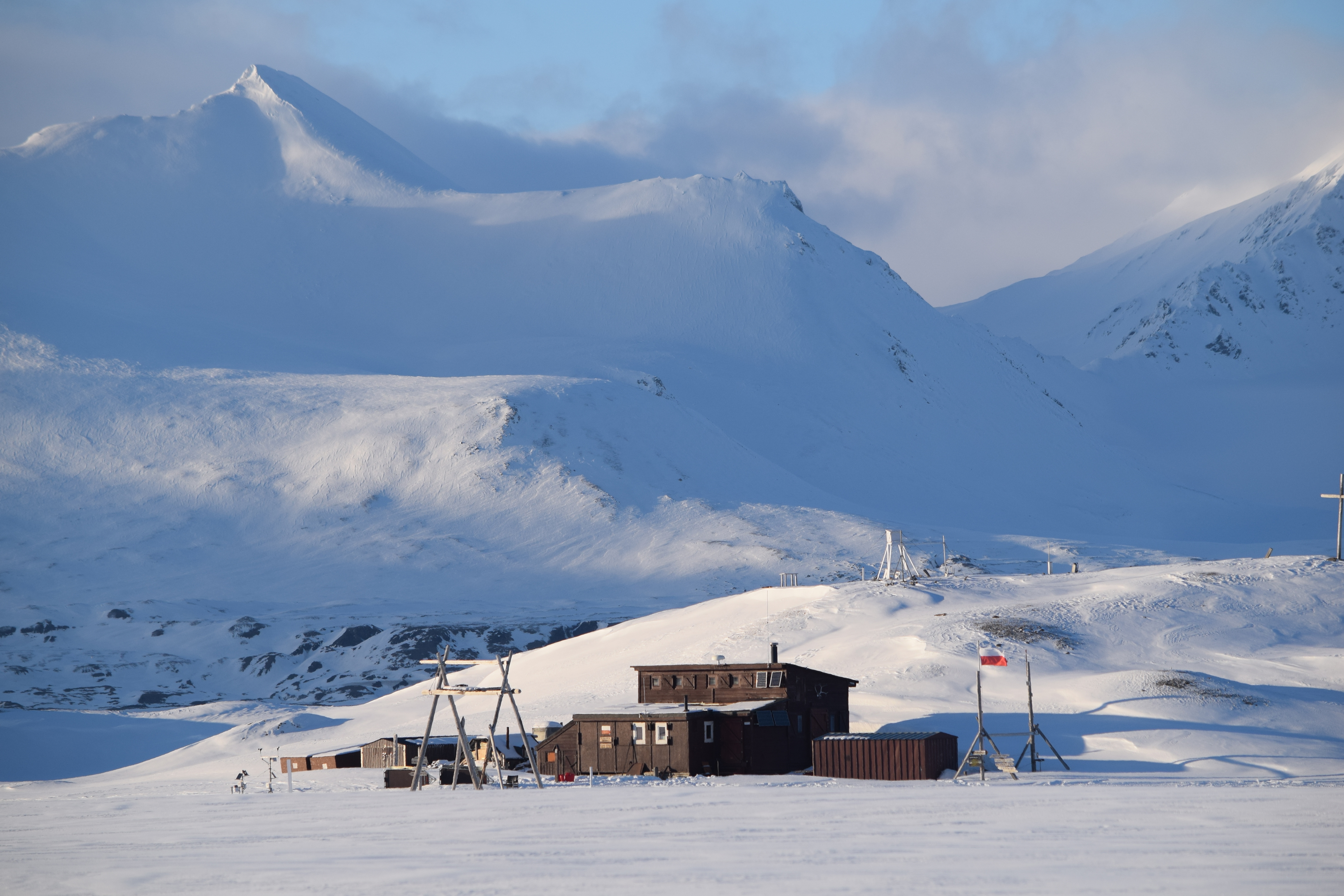
The location
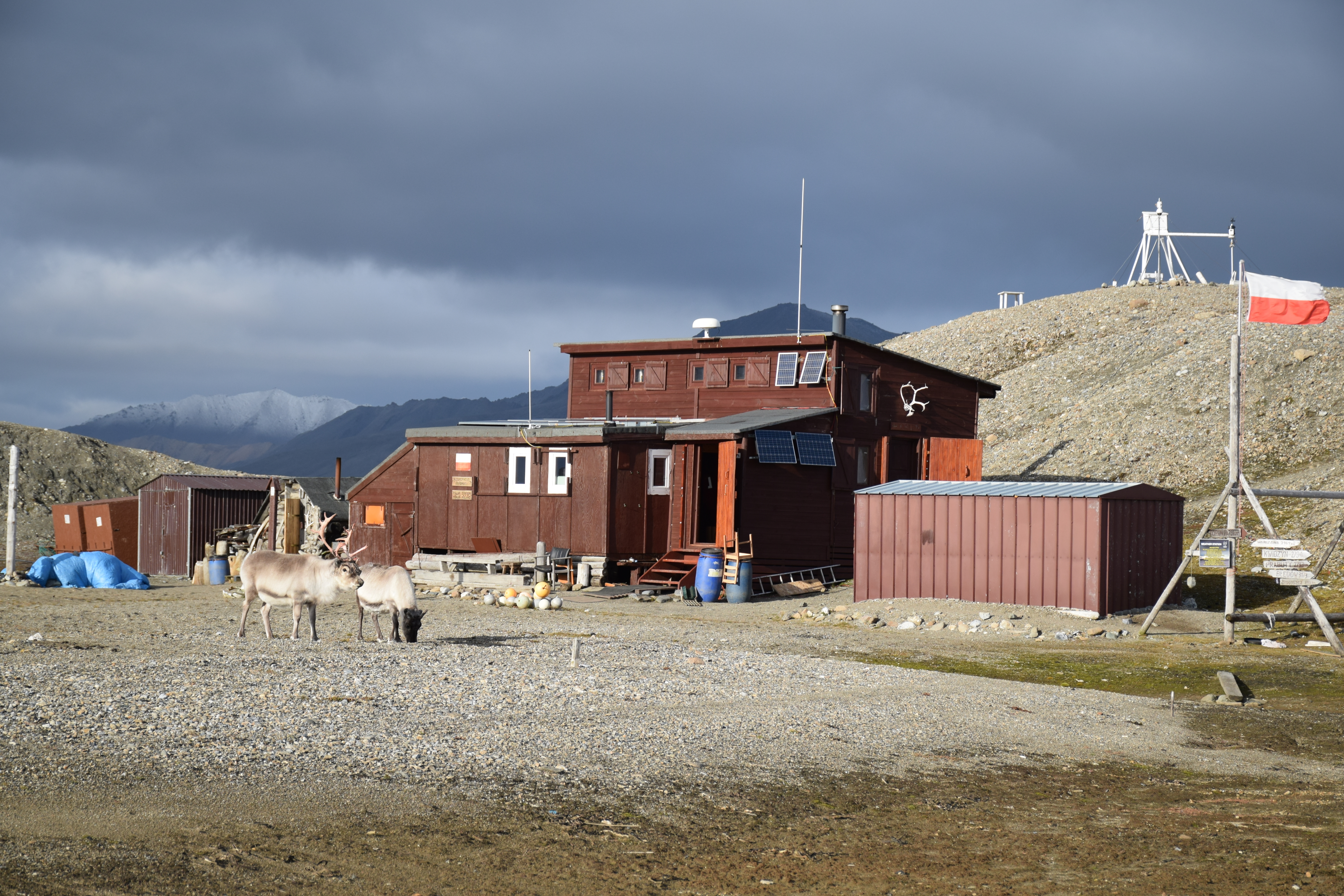
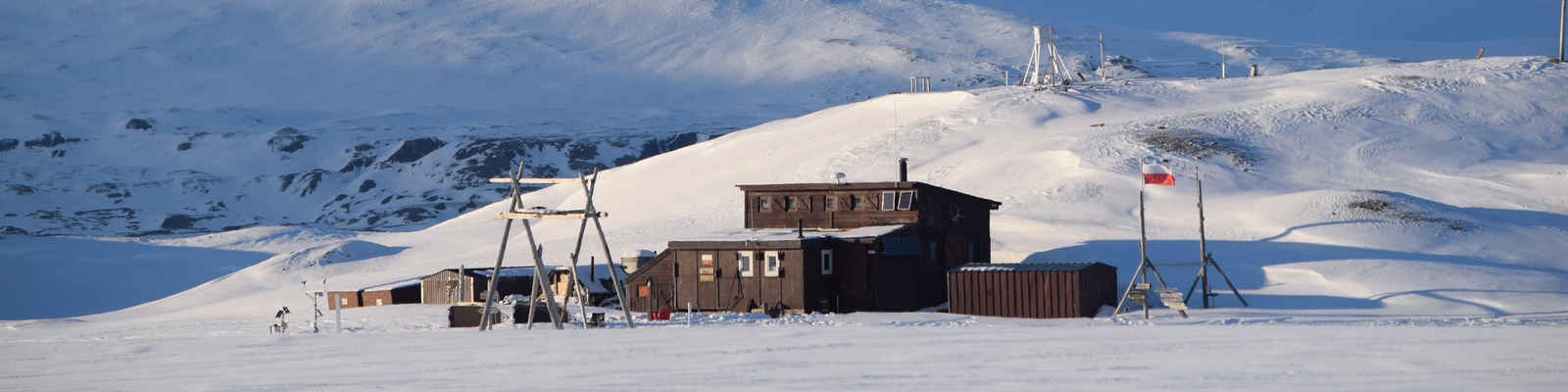
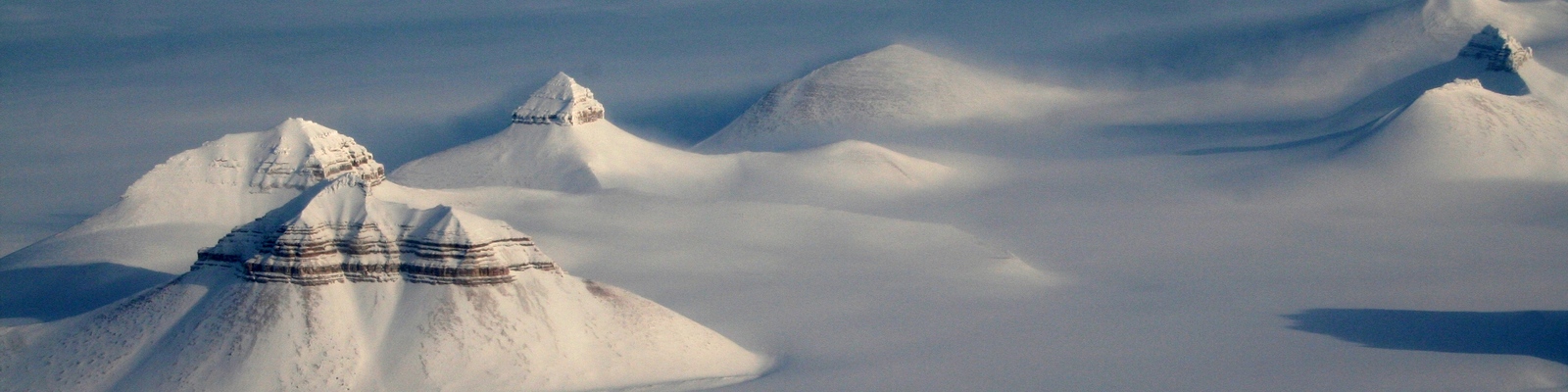
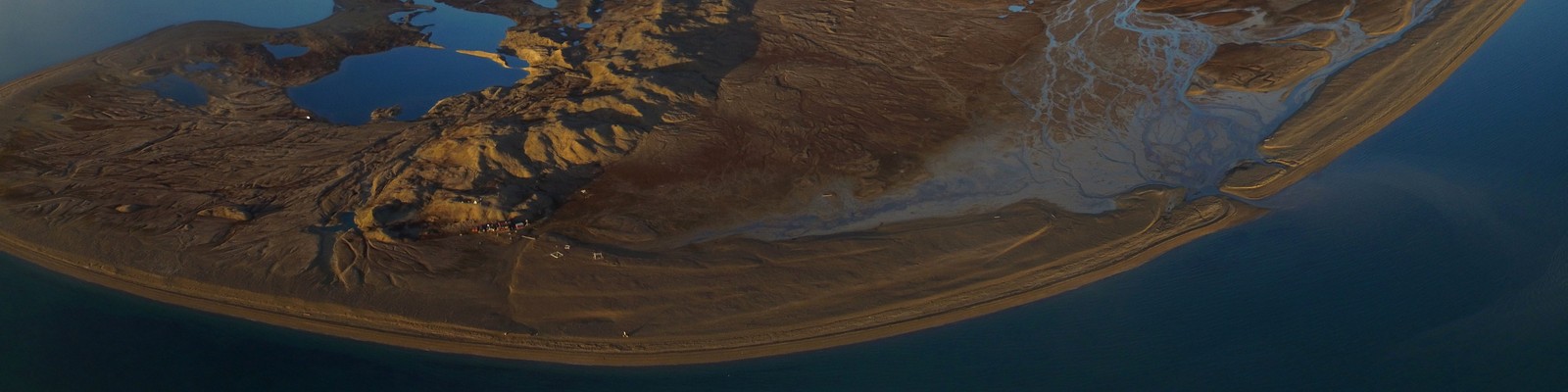
The Nicolaus Copernicus Polar Station is located in the western part of Oscar II Land in the north of the Kaffiøyra coastal plain, bordering on Forlandsundet in the west. The station was established in the area of Heggodden, about 150 metres from the sea shore, at the terminal moraines of the Aavatsmarkbreen.
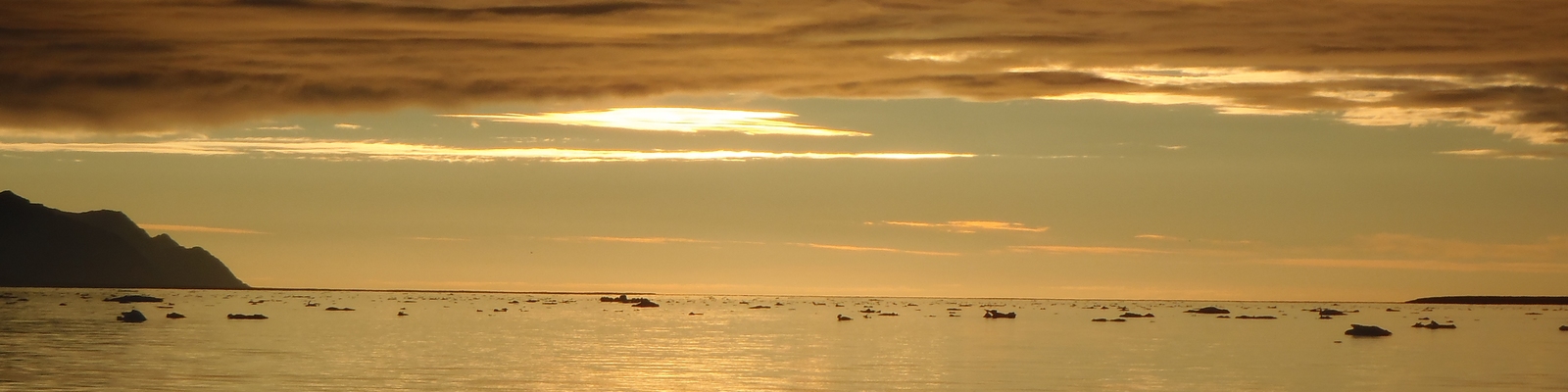
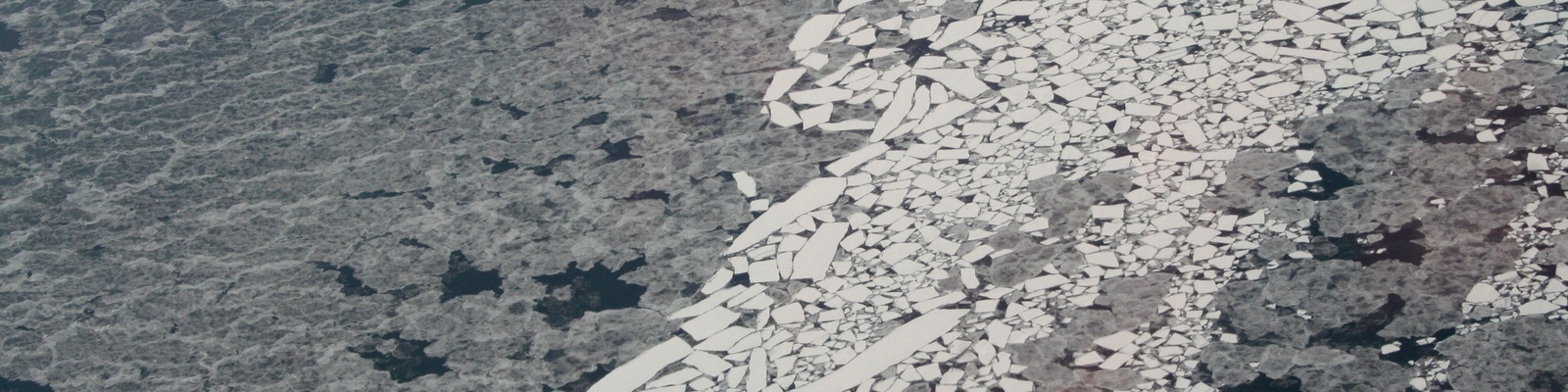
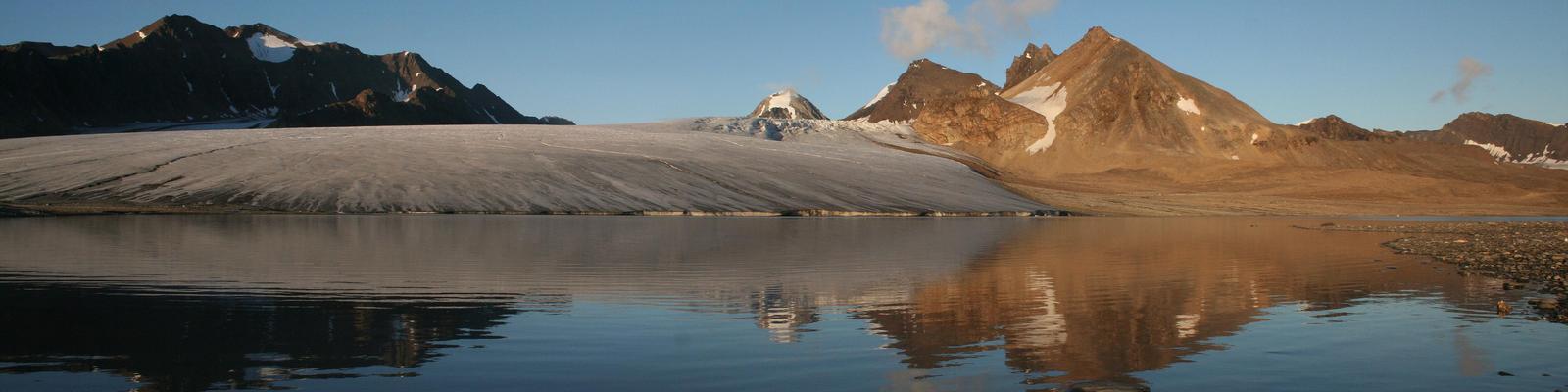
There were a number of reasons behind the choice of that location, the main one being its environmental diversity and the proximity of glaciers, which were the main object of research. The station is in the immediate vicinity of the deep bay of Hornbaek, which provides shelter to mooring ships in stormy weather. Ice usually disappears from Forlandsundet in mid-June and increasingly often the sound remains free of ice throughout the year. Small morainic lakes provide sufficient fresh water during the polar summer.
The attractive location of the NCU Polar Station is made even more appealing by the proximity of Ny-Ålesund, a settlement and major international research centre. Forlandsundet is used by small ships travelling between Longyearbyen and Ny-Ålesund. Another significant advantage for the NCU Polar Station is its location outside any nature parks and reserves. This allows a relatively high degree of freedom to mover around and do research in the area, and substantially softens restrictions imposed by the authorities of Svalbard.
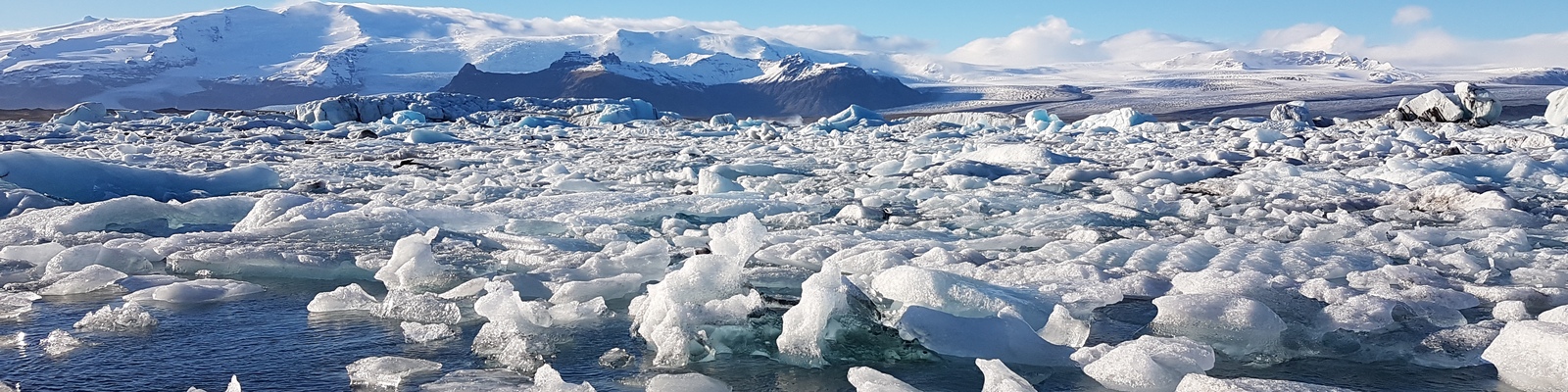
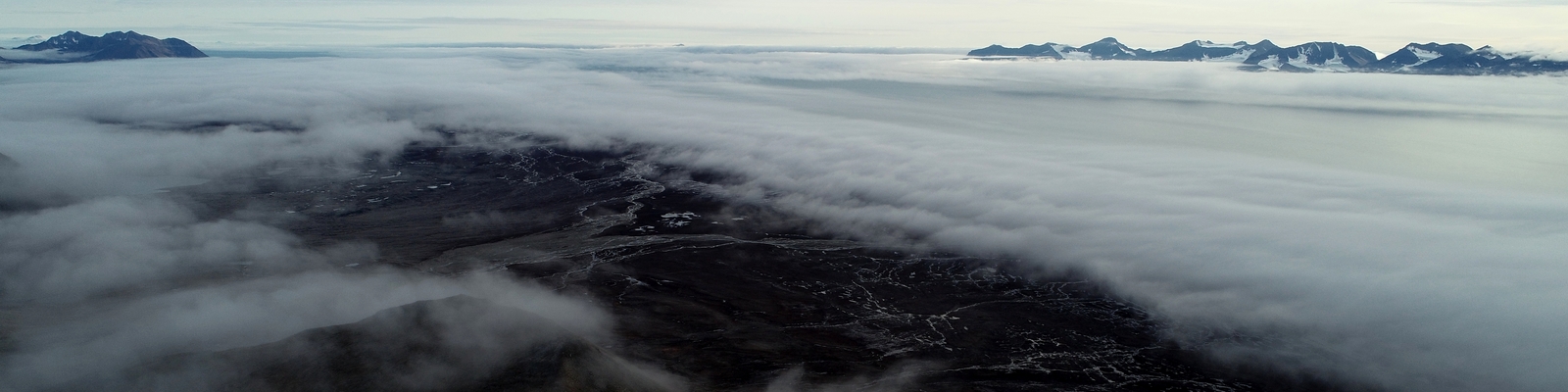
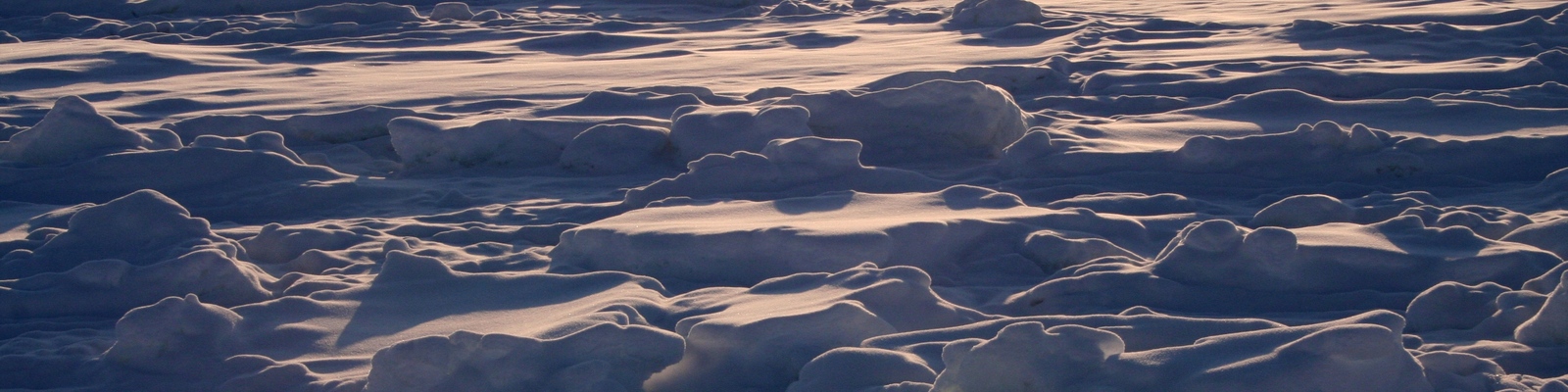
The area around the NCU Polar Station is exceptional from the scientific point of view. It is an area where the primary mechanisms of the natural environment can be observed. Carrying out research there is of particular importance for the understanding of processes connected with changes in the cryosphere, which are affected by contemporary climate transformations occurring around the globe. The availability of all the components of the cryosphere in one place (glaciers, snow cover, sea ice and permafrost) makes the NCU Polar Station on Spitsbergen a unique natural research laboratory. It is a compendium of valuable information on north-western Spitsbergen, but also a place where we can witness processes which once shaped the surface features of Poland. As such, it provides a perfect educational base for research fellows, academic staff, and doctoral, postgraduate and undergraduate students.
A short historical overview
The first Polish expedition to Oscar II Land and the Kaffiøyra region was mounted in 1938 on the initiative of Bolesław Dobrowolski, then Chairman of the Management Board of the Polar Research Expedition Association. The researchers mainly worked at the forefields of Kaffiøyra glaciers. In 1960 the first results were published by Mieczysław Klimaszewski in a paper which contained a precise description of the forms, deposits, glacial and periglacial processes. That was the first ever account made of that area. Consequently, a group of geographers from Toruń decided to organise an expedition to the very same place in order to carry out comparative field studies. In 1975, the 1st Toruń Polar Expedition was launched, led by Professor Jan Szupryczyński, and dr. Antoni Olszewski was in charge of a group of students taking part in the expedition. During the expedition, Professor Czesław Pietrucień suggested that a special cottage should be built at the moraines of the Aavatsmarkbreen. The cottage marked the beginning of the station.
After that, summer expeditions to the Polar Station were mounted at various intervals until 1989. In 1995 Professor Marek Grześ launched a new series of regular summer expeditions which have continued to date. In the following year spring expeditions were also initiated, with the main objectives being studies into winter snow accumulation on the glaciers of the Kaffiøyra region.
The summer of 2007 was a milestone in the history of the station. The 31st NCU Polar Expedition to Spitsbergen of that year, led by Ireneusz Sobota, was mainly tasked with extending the station. That was possible thanks to the kindness and support of the university’s authorities, with Professor Andrzej Tretyn (then Deputy Rector for Scientific Research and International Cooperation at the time) in the first place. The project was successfully completed and the station changed beyond recognition, which in turn raised the significance and nature of our shared dream.
Since 2012 the NCU Polar Station has been an independent unit of the university’s Faculty of Earth Sciences.
The research
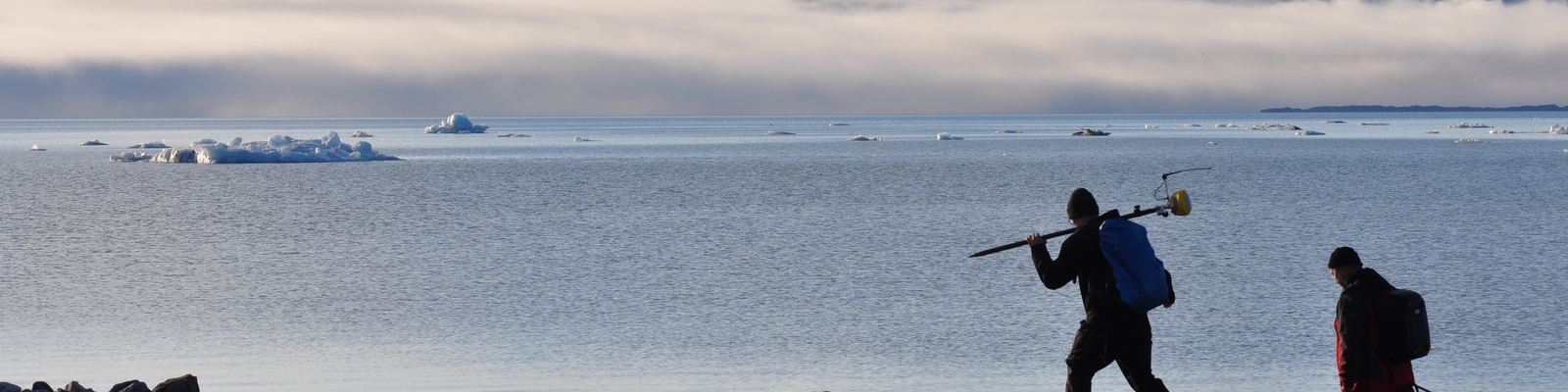
Research around the NCU Polar Station has essentially covered all components of the geographic environment, however with a particular focus on glaciology, glacial geomorphology, permafrost and periglacial processes, as well as climatological and biological studies. One of the principal objectives of the research is to gain an understanding of changes in the cryosphere, which are a very important indicator of contemporary transformations of the polar environment and climate changes.
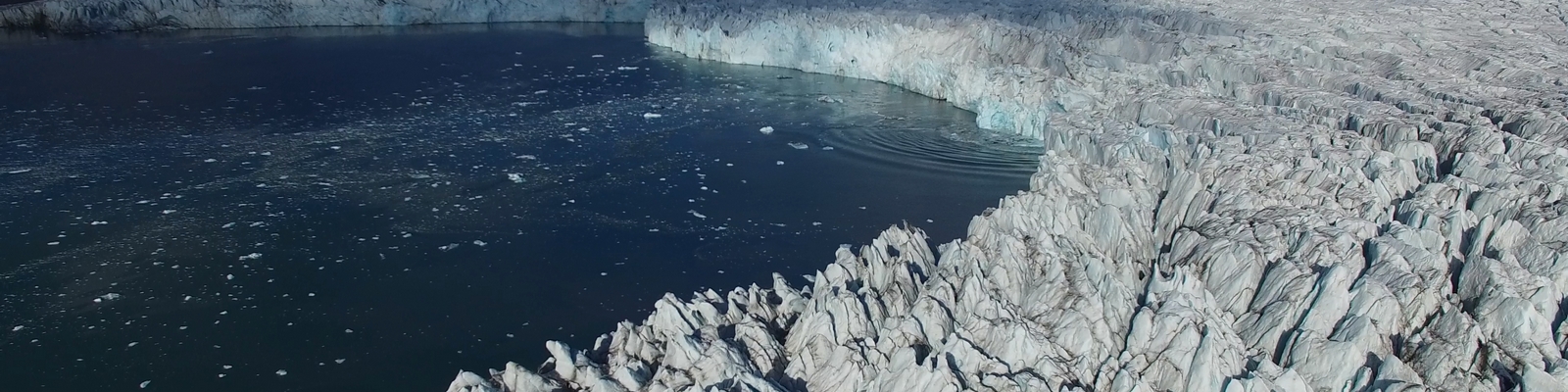
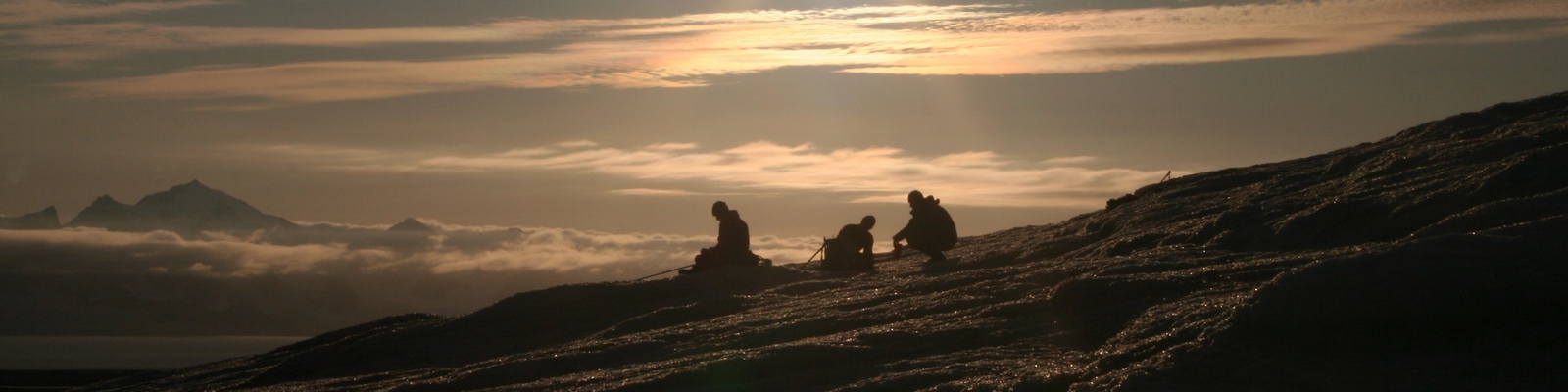
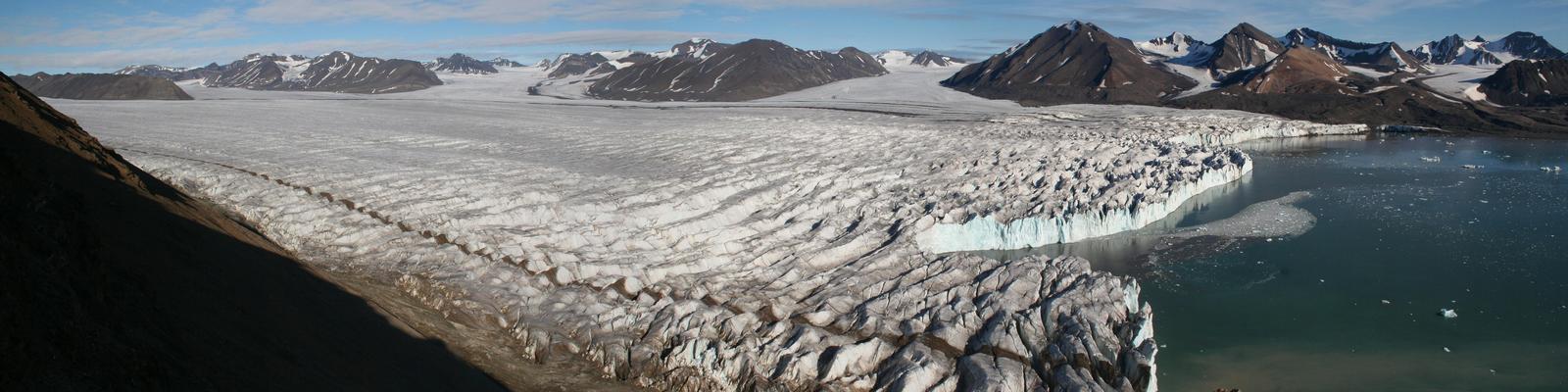
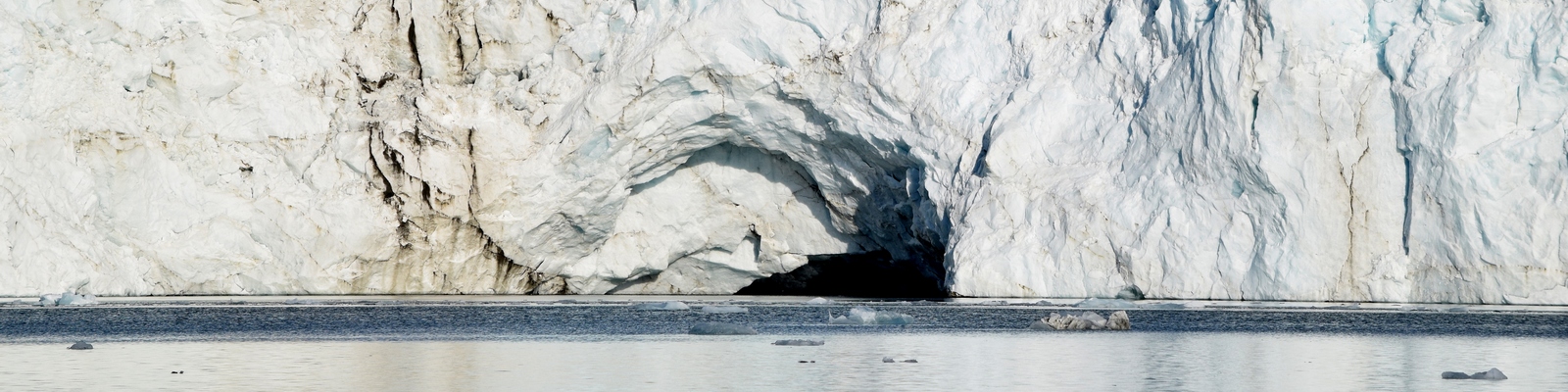
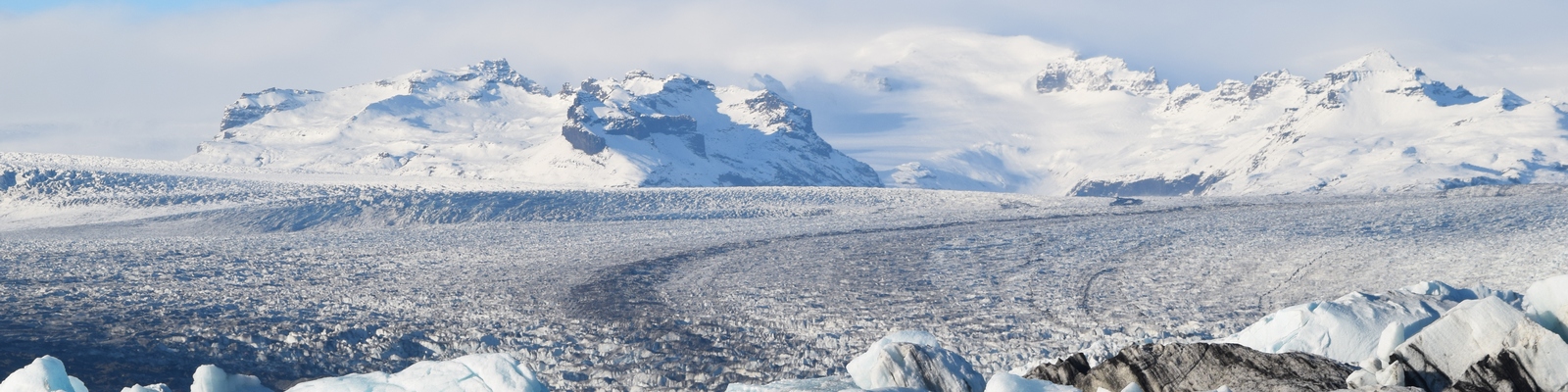
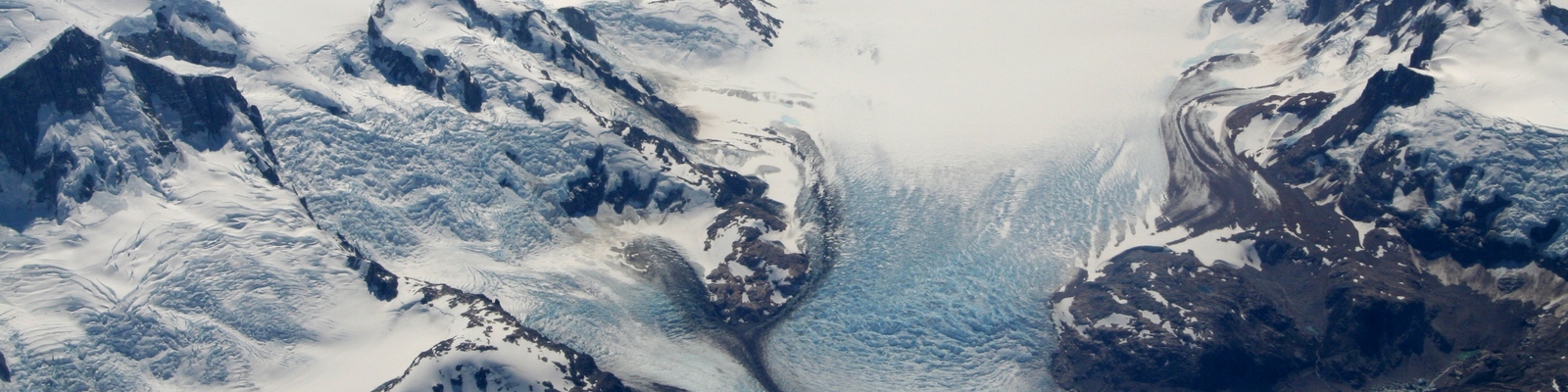
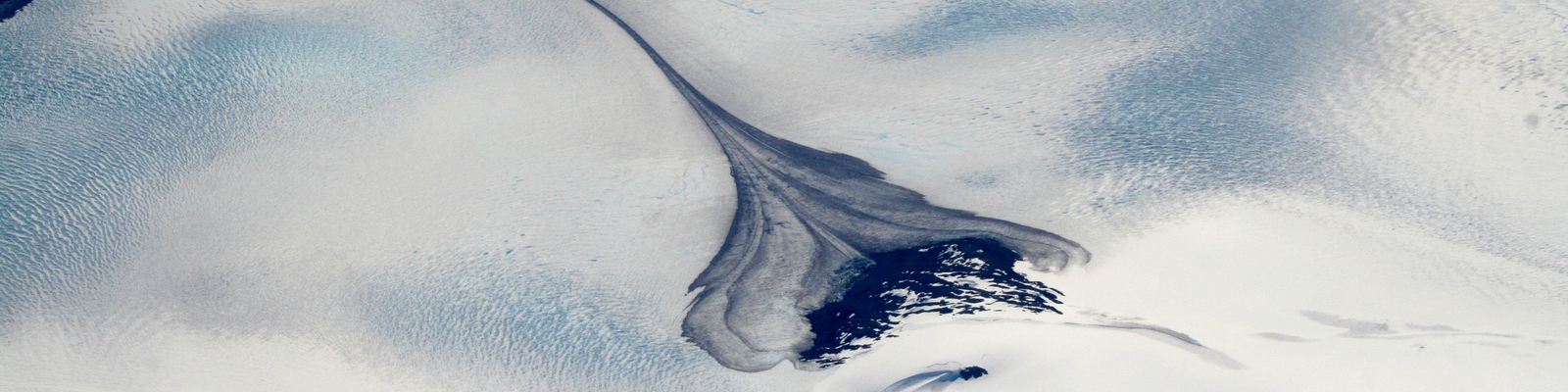
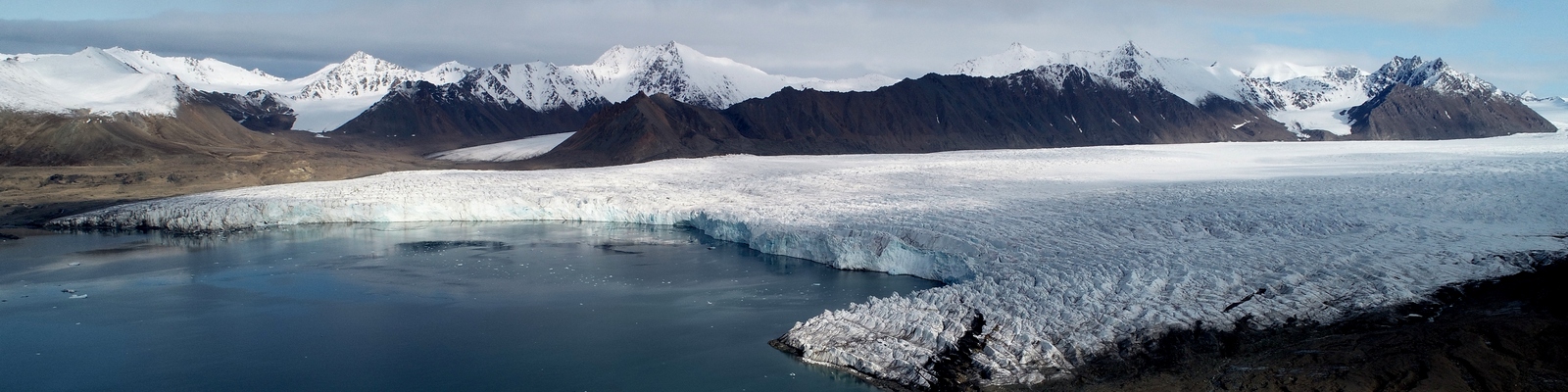
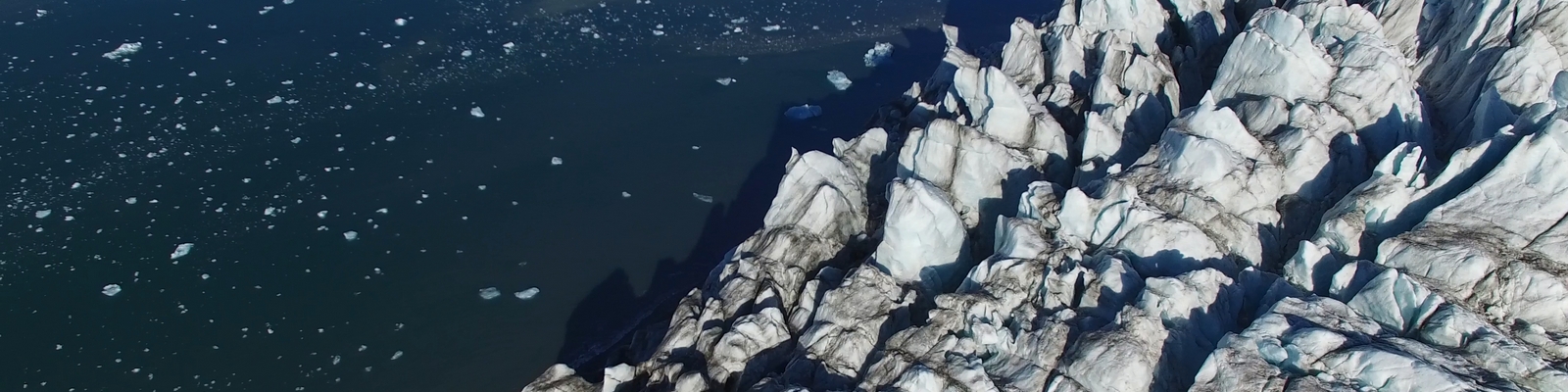
Glaciers are the dominant feature of Kaffiøyra. Since the 19th century, their total area has shrunk by more than forty-three per cent. Now, the identification of the course and causes of such changes in the extent of glaciers is a central research problem. One way to obtain knowledge is by studying the mass balance of glaciers. Four Spitsbergen glaciers have been the subjects of such studies: the Waldemarbreen, the Irenebreen, the Elisebreen and the Aavatsmarkbreen. The studies cover both the summer mass balance (ablation, runoff) and the winter snow accumulation. Two large sea-terminating glaciers: the Aavatsmarkbreen in the north of Kaffiøyra and the Dahlbreen in the south, have been included in detailed research plans. Thorough studies have also been carried out into the subaqueous glacial relief of the bays around Forlandsundet. In recent years the glacier surge of the Aavatsmarkbreen has also been investigated, along with its effects.
Research projects and grants are often carried out using the NCU Polar Station as a base. A great number of scientific papers, articles and treatises in most of the Earth sciences (glaciology, climatology, hydrology, geomorphology, soil science and botany) have been written at the station, including master’s theses, doctoral and post-doctoral dissertations. They also include articles in some highly-ranked publications of the ISI (Institute for Scientific Information) list.
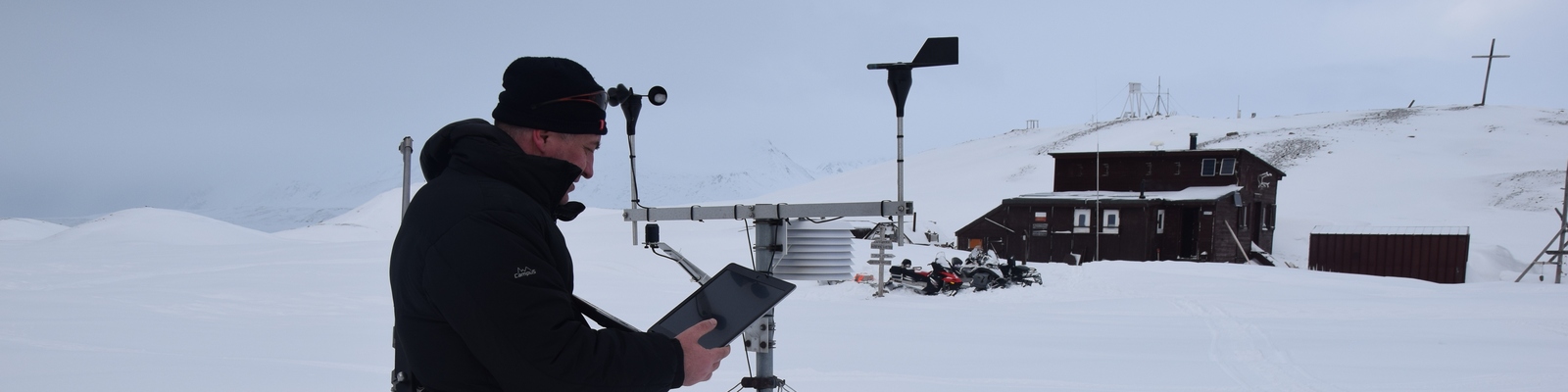
The results of glaciological, meteorological and permafrost studies to date have made it possible to obtain some of the longest data series available for Svalbard today. Currently, monitoring of contemporary changes in the cryosphere and standard meteorological observations are being conducted, including using a new automatic weather station operating all year round.
The NCU Polar Station is a major element of such international programmes as SAON (Sustaining Arctic Observing Networks) and SIOS (Svalbard Integrated Observing System). The observations carried out at the station are part of the observation network and activities undertaken with programmes initiated through arrangements with the Coordinating Committee for the International Polar Year and long-term monitoring projects, such as CALM (Circumarctic Active Layer Monitoring), GTN-P (Ground Temperature Network – Permafrost) and GLACIODYN (Dynamics and mass balance of Arctic glaciers and ice sheets).
Plans for the immediate future include an expansion of international cooperation and implementation of joint research projects (for example, with the Norwegian Polar Institute, UNIS – the University Centre in Svalbard, and the World Glacier Monitoring Service in Zurich). It is planned that the glaciers situated in the vicinity of the station will be incorporated into the international network of Integrated Glacier Observation (IGLO), and field practices for UNIS students are being contemplated.
The results of various research operations conducted at the station, and the activities of the station above all, have also been presented at lectures and through dissemination actions (such as science and art fairs), in the press and on television.
Expedition members have often been invited to talk on TV programmes and have given interviews to the press to speak about the mission and activities of the station and the research done there. This is perhaps the best way to promote Polish science and the country itself, both in Poland and abroad.
The station today
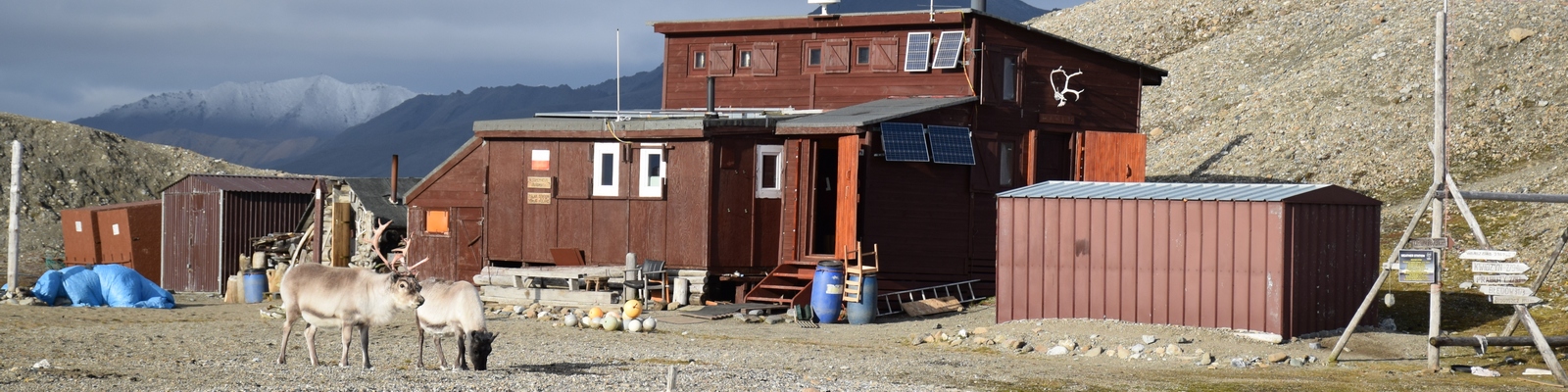
The NCU Polar Station can accommodate up to fifteen people at a time. The new section of the station added 32 square metres of floor space downstairs and 24 upstairs. There is a main room, a workshop, a bedroom and two mezzanine sleeping areas. The new section was built adjoining the ‘old’ one (which has a fully-equipped kitchen and lab, and a bedroom), although it has a separate entrance. There are also additional storage areas, another lab, a bathhouse, a lavatory, and garages for snowmobiles, boats and motors. At the moment, the total useable floor space of all rooms and outbuildings is more than 100 m2.
The station is furnished with all the necessary technical equipment, such as generator sets, photovoltaic cells, automatic weather stations, motor boats and snowmobiles. Some of the most important scientific equipment includes an automatic weather station which can run all year round and is equipped with climatological-station-grade measuring instruments; on the monitored watercourses there are stream gauges, limnimeters and data loggers, used for water stage and flow rate measurements and observations of selected physical and chemical properties of the water, and which have been ongoing since 1975. There is a network of ablation poles arranged on the glaciers, ice drills, ground and ice temperature loggers and more. In 2015 special stop-motion cameras were installed for environmental monitoring.
Efforts are made to continually upgrade the equipment as far as possible. In 2005 the station was connected to the satellite telephone network and in 2014 to the world wide web. Currently, there are three satellite phones in use, as well as devices for maritime communication.
Safety has always been a priority for us. There is enough safety equipment to provide the necessary protection while working on glaciers or on water. This includes radio and satellite communication equipment, and appropriate firearms to be able to respond to potential threat from polar bears.
Plans and prospects
Every year interdisciplinary expeditions with members of Polish and international scientific institutions are sent to Kaffiøyra, which shows how attractive the local geoecosystem is to scientific circles. One of the fundamental goals of the NCU Polar Station is to further develop the studies into contemporary changes in the cryosphere, and especially of the mass balance of glaciers, which has been the subject of our research subjects for years: at the Waldemarbreen since 1996, at the Irenebreen since 2002, and at the Elisebreen since 2006. The results of the observations of the Kaffiøyra glaciers’ mass balance are reported in the Global Glacier Change Bulletin published by IAHS(ICSI)/UNEP/UNESCO in international collaboration with the World Glacier Monitoring Service (WGMS) of Zurich, Switzerland. The data published in the bulletin concerns a dozen or so glaciers from around the world included in a regular monitoring programme. The Waldemarbreen has become a benchmark glacier and is described in an extended version as the only ‘Polish’ glacier.
Other research work to be continued at the NCU Polar Station includes studies of the dynamic and changes of glaciers, studies of the hydrothermal structure of glaciers, observations of glacier ablation, and hydrological observations of the Waldemarbreen runoff and of the Waldemar River’s regime, as well as studies of the permafrost focusing on its active layer. Standard observations of the thickness and thermal conditions of the active layer, which have been carried out in the Kaffiøyra region since 1975, will be continued. Further detailed studies into the Aavatsmarkbreen’s surge and related processes are also planned.
Thanks to the NCU Polar Station on Spitsbergen, large expedition teams can do research encompassing the entire spectrum of Earth sciences. It must be stressed that the station is used as the base for most of the Polish polar research in the north-west Spitsbergen. The most recent expeditions included researchers from the University of Warsaw and from the Jagiellonian University in Kraków, as well as from the Norwegian Polar Institute.
Although the NCU Polar Station operates for only three to four months a year, it is designed and equipped to provide a base for continuous operation throughout the year. In the forthcoming seasons, it will be used by new research expeditions of the Nicolaus Copernicus University and other academic and scientific centres, and conferences and field workshops are planned to use the station and its facilities.
The Station is a perfect international centre for Arctic research and is successfully promoting Polish science. It is readily recognised among polar researchers and has become a permanent landmark on the map of Svalbard.
The NCU Polar Station remains a unique undertaking. It is the largest Polish university base in the Arctic and one of the northernmost research stations in the world.